Master Your Brand's Palette with Canva Templates Color Palette3
You understand the feeling when you walk into a room and immediately feel calm, energized, or perhaps even sophisticated? That emotional response isn't an accident; it is the result of deliberate design choices, primarily driven by color. As someone who has spent years navigating the intersection of graphic design and brand strategy, I can tell you that color is the silent ambassador of your brand. It communicates your values and personality before a customer reads a single word of your copy. However, finding the right balance—creating a palette that is both aesthetically pleasing and psychologically effective—can be a daunting task. This is exactly why tools like the Canva Templates Color Palette3 have become indispensable in my design toolkit.
Visual Characteristics and the Art of Color Harmony
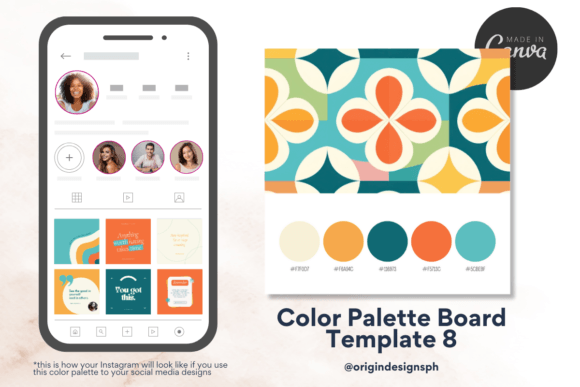
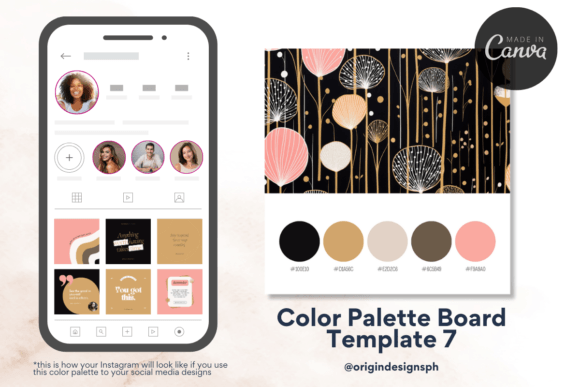
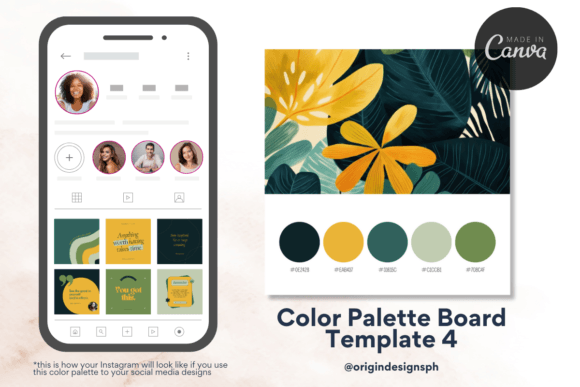
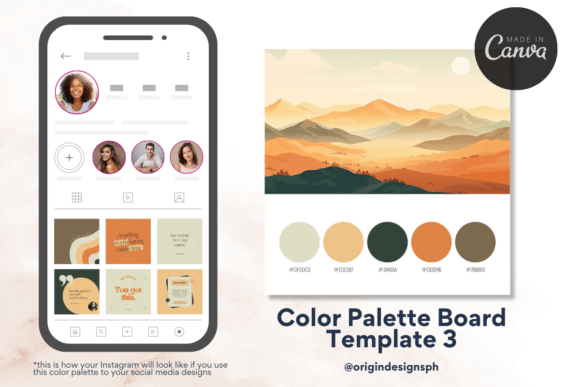
So, what exactly is the Canva Templates Color Palette3, and why does it stand out in a sea of digital design assets? At its core, it is a curated collection of color swatches designed to take the guesswork out of harmony. Unlike random color picking, this template relies on color theory principles—balancing hue, saturation, and brightness—to create combinations that feel natural to the human eye. The visual characteristics of this specific template set lean towards versatility. You won't find jarring neon clashes here; instead, the palette offers a range of tones that can be described as "easy on the eyes" yet distinct enough to make a statement.
The personality of Canva Templates Color Palette3 is adaptable. It provides a foundation that can swing from corporate professionalism to creative whimsy depending on how you apply it. The style is modern and clean, avoiding overly trendy colors that might date your brand in six months, while still feeling fresh. This is crucial for brand identity. When you use a cohesive palette, you aren't just picking colors; you are defining the visual texture of your business. Whether you are working on a serif font heavy editorial layout or a minimalist sans serif font website, these colors act as the glue that holds your visual elements together. The overall appeal lies in its ability to provide structure without stifling creativity, offering a roadmap for visual consistency.
Strategic Applications: From Logo Design to Social Media Graphics
The true power of a resource like the Canva Templates Color Palette3 is realized when you apply it across different mediums. In logo design, a well-chosen palette ensures that your mark looks just as good on a business card as it does on a billboard. For web design, these specific hues can guide the user experience, using contrasting colors for call-to-action buttons to increase conversion rates, while softer tones provide a comfortable background for reading long-form content.
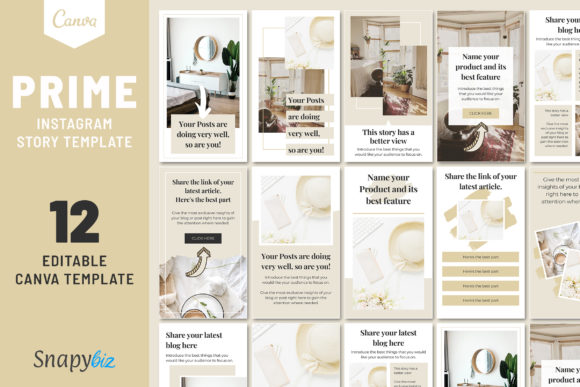
Consider the realm of packaging design. If you are a small business owner selling artisanal goods, the colors on your box or bottle need to pop on a crowded shelf. The Canva Templates Color Palette3 provides the contrast needed for visual hierarchy, ensuring the product name is legible and the brand feels premium. For social media graphics, where the scroll never stops, a consistent color scheme is your anchor. It helps in brand recognition; when a user sees those specific shades in their feed, they immediately associate it with your content, even before reading the handle. This template is equally effective for editorial design, helping magazine layouts and blog headers look polished and professional.
Practical Guidance for Implementation and Testing
Having the Canva Templates Color Palette3 is the first step, but knowing how to implement it effectively is where the real work begins. My advice is to start by evaluating the "temperature" of the colors. Do they match the energy of your brand? If you are a wellness coach, you might gravitate towards the cooler, muted tones within the template. If you are a tech startup, you might lean into the sharper, higher-contrast options.
When it comes to font pairing, this is where the palette shines. A strong background color from the template can make a delicate script font or a bold handwritten font legible and impactful. Conversely, using a neutral tone from the palette allows a display font to take center stage without overwhelming the viewer. I recommend creating a "test board" in Canva. Place your logo, a sample paragraph of body text, a button, and a photo side-by-side using the colors from the Canva Templates Color Palette3. Does the text stand out enough? Is there enough contrast for accessibility? This testing phase is non-negotiable for readability.
Remember, while this is a premium font and color resource, you do not need a Canva Pro account to utilize it effectively. The fact that it works on a free account makes it an accessible entry point for entrepreneurs just starting out. It is a commercial font friendly asset, meaning you can use it for client work, merchandise, and digital products without legal headaches. By treating the Canva Templates Color Palette3 not just as a decorative element but as a strategic design asset, you elevate your work from amateur to professional. It ensures that every piece of content you publish contributes to a cohesive, recognizable, and engaging brand narrative.