Master Your Brand's Look with Canva Templates Color Palette8
Color is the silent ambassador of your brand. It communicates before a single word is read, evoking specific emotions and setting expectations. For designers, entrepreneurs, and content creators, establishing a cohesive and professional color palette is a foundational step in building a recognizable brand identity. Yet, the process of selecting, testing, and applying a harmonious set of colors can be time-consuming. This is where a thoughtfully designed resource like Canva Templates Color Palette8 becomes an indispensable part of your design toolkit.
Understanding the Visual Language of Color Palette8
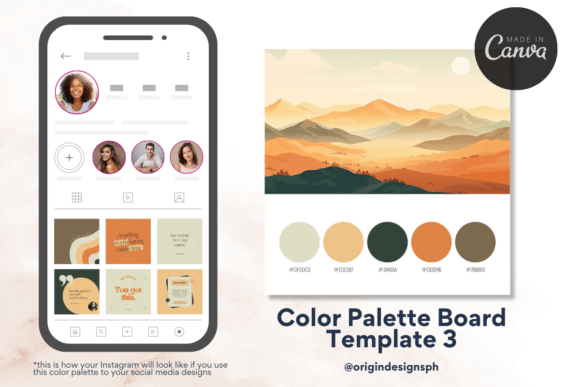
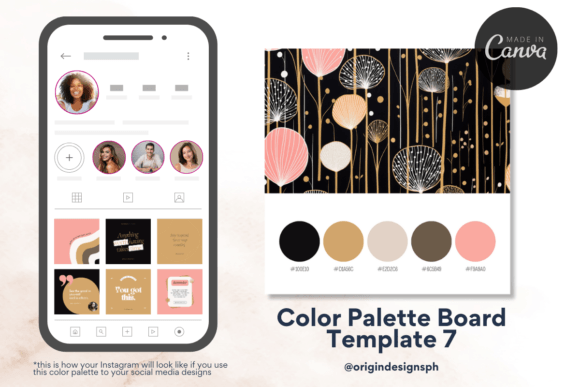
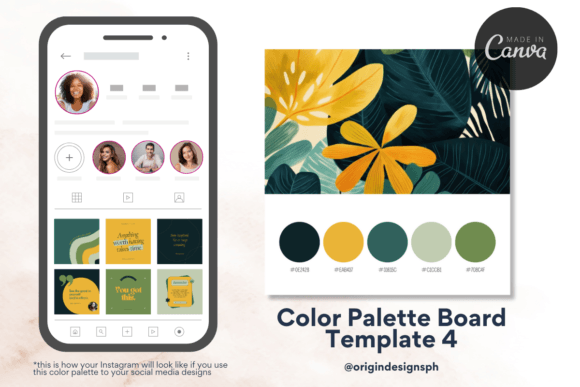
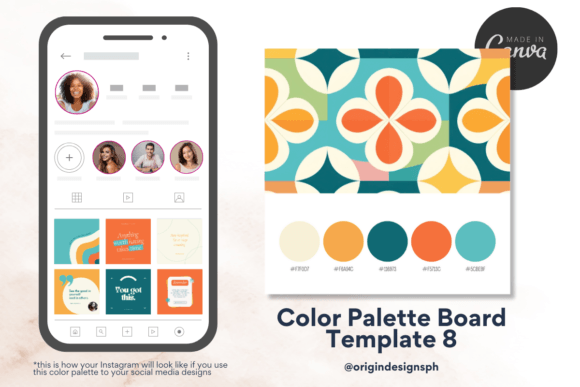
Canva Templates Color Palette8 is more than a simple collection of color swatches. It is a professionally curated design asset built directly within Canva, intended to streamline your creative workflow. The palette itself is characterized by its balanced and versatile composition. It typically features a blend of sophisticated neutrals, a confident primary hue, and complementary accent colors that provide depth without overwhelming. The overall appeal lies in its modern, clean aesthetic—it feels current and professional, avoiding overly trendy tones that might date quickly. The personality is one of approachable elegance, making it suitable for brands that want to appear both credible and relatable.
This premium font—or in this case, premium color resource—is delivered as an editable Canva template. This means you receive a direct link to a pre-designed board showcasing the palette, complete with the photographic mood images that inspired it. These included photos are not just decorative; they serve as a practical guide for applying the colors in real-world scenarios, helping you visualize how the palette translates to textures, products, and environments.
Where This Palette Shines: Practical Applications Across Projects
The strength of Canva Templates Color Palette8 lies in its adaptability. It’s a versatile foundation for a wide array of projects. For brand identity work, it provides the core colors for logo design, business cards, and letterhead. In marketing, these colors ensure consistency across social media graphics, email newsletters, and digital advertisements, strengthening brand recognition. The palette is equally effective in editorial design for PDFs, lookbooks, and blog post graphics, where visual hierarchy and readability are paramount.
Consider its use in packaging design. The primary color can dominate the main label, while the neutrals handle essential information, and the accents draw attention to key features or call-to-action elements. For web design, the palette defines buttons, headers, links, and background sections, creating a seamless user experience. Small business owners will find it invaluable for creating cohesive social media graphics that stand out in a crowded feed, while crafters and hobbyists can use it to design polished invitations, planners, or digital prints.
Integrating the Palette: From Selection to Execution
Adopting a new color palette is a strategic decision. Here’s how to approach it effectively with Canva Templates Color Palette8. First, evaluate the fit. Does the palette's personality align with your brand's voice? A bold, saturated primary might suit a dynamic fitness brand, while a softer, muted tone could be perfect for a wellness coach. The included mood images in the template are your first test—if the overall feel resonates, you’re on the right track.
Next, consider font pairing. Your chosen colors will interact with your typography. A strong, dark color from the palette can support a delicate serif font for headings, while a lighter neutral might be the ideal background for a clean sans serif font body copy. Test the combinations within Canva to ensure sufficient contrast for readability, especially on digital screens. The palette’s accents can be used sparingly in hyperlinks or highlighted text to create visual interest without disrupting the visual hierarchy.
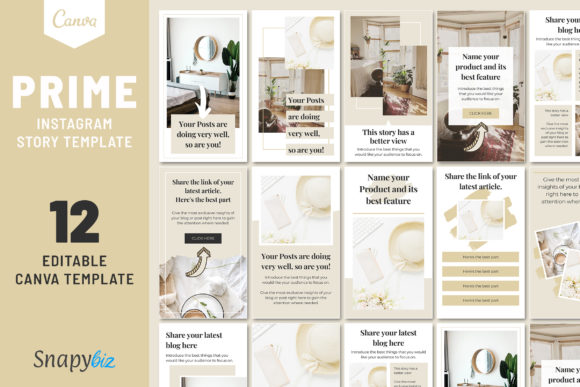
Finally, commit to consistency. The true power of a defined palette is in its repeated use. Apply the same primary color to all your Instagram story templates, use the same accent for every "Shop Now" button, and let the neutrals unify your document layouts. This repetition builds brand recognition and professionalism. Remember, this is a digital product designed for efficiency—there’s no need for a Canva Pro account, and you can even make edits on your phone, making it perfect for creators on the go.
Key Considerations for Your Design Workflow
- Licensing: As with any commercial font or design asset, verify the licensing terms for your intended use, especially for client work or commercial products.
- Testing: Don’t just look at the swatches. Apply the colors to a sample social media post, a website header mockup, or a product label in Canva to see them in action.
- Accessibility: Use online contrast checkers to ensure your text and background color combinations meet accessibility standards for legibility.
- Expansion: While the palette provides a core set, you may need to derive additional tints or shades for complex projects. Use Canva’s color tools to create lighter or darker variations while maintaining harmony.
By leveraging a resource like Canva Templates Color Palette8, you’re not just picking colors—you’re adopting a proven modern typography and design system. It removes the guesswork, accelerates your creative process, and provides a solid, professional foundation for all your visual communications, ensuring your brand speaks with clarity and confidence.