Canva Templates Color Palette7: Your Brand's Visual Anchor
Have you ever wondered why a color palette is crucial to a successful branding strategy? Well, when a brand decides on specific colors to represent its identity, it's not just for aesthetic purposes. These colors play a significant role in shaping people's perceptions and emotions towards the brand. Consistency in color usage helps in creating a recognizable and cohesive visual identity across various marketing materials, products, and online platforms. In the digital age, where attention spans are shorter than ever, a strong and consistent color palette is invaluable for brand recall. You also need to factor in efficiency, thus choosing our Canva template for color palette is a must for your business needs.
What is the Canva Templates Color Palette7?
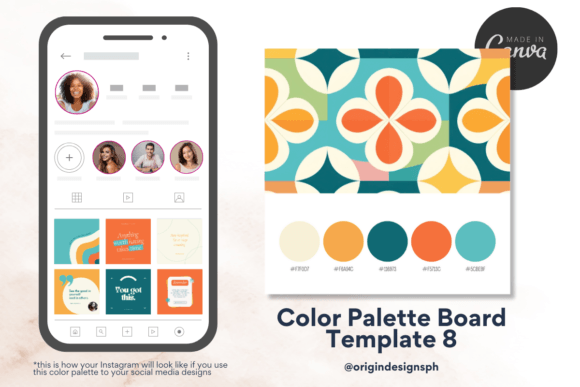
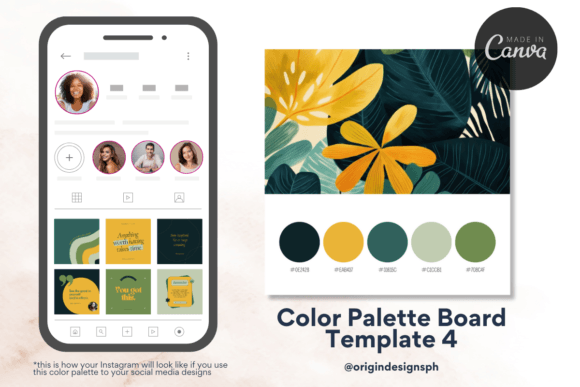
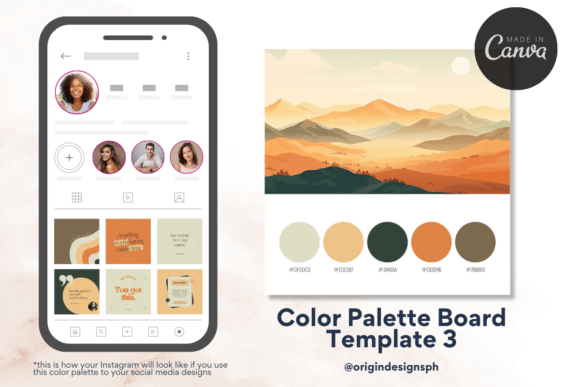
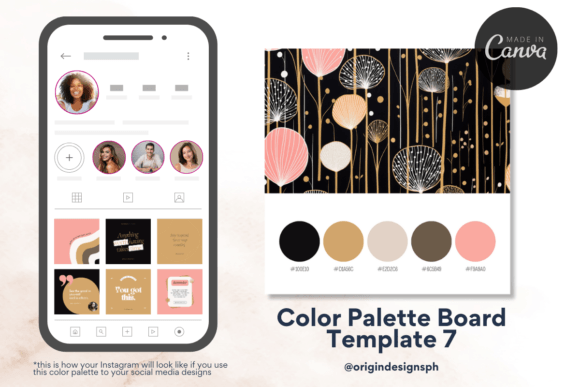
Think of Canva Templates Color Palette7 not as a single font, but as a complete design asset and a strategic starting point. It's a curated, editable template that presents a specific color scheme in a visually organized way. Its personality is clean, professional, and inherently versatile. The style is modern and minimalistic, focusing on the colors themselves without distracting ornamentation. The overall appeal lies in its ability to provide instant clarity and direction. It’s a practical tool designed to solve a common problem: translating a color idea into a usable component of your brand identity.
Where This Palette Template Works Best
The true strength of the Canva Templates Color Palette7 is its adaptability across a wide range of projects. Its clean, structured format makes it an excellent foundation for numerous applications.
- Branding & Logo Design: Use the palette to guide the selection of colors for your primary logo, secondary marks, and brand patterns. It ensures your logo design is built on a harmonious and intentional color foundation.
- Digital & Web Design: Apply the palette to website color schemes, button colors, link hover states, and background accents. This creates a cohesive user experience and strengthens brand recognition online.
- Social Media Graphics: Maintaining a consistent look on platforms like Instagram or Pinterest is simplified. Use the palette to set colors for templates, quote cards, and story backgrounds, ensuring every post feels on-brand.
- Publishing & Editorial Design: For bloggers, publishers, or creating a digital magazine, the palette can define accent colors for pull quotes, chapter headings, or infographic elements, adding a professional touch to editorial design.
- Packaging Design & Marketing Materials: From product labels to business cards and flyers, using a consistent color scheme derived from this template builds a professional and trustworthy image across all print and digital touchpoints.
The Influence on Readability and Professionalism
A well-chosen color palette does more than look good; it directly impacts how your audience interacts with your content. The Canva Templates Color Palette7, when used correctly, influences key aspects of design effectiveness.
First, it affects readability and visual hierarchy. By assigning specific roles to your colors—like a dark shade for body text, a lighter tint for backgrounds, and a vibrant accent for calls-to-action—you guide the viewer's eye logically through the information. This isn't about the font itself, but about the color environment the text lives in. A poor color contrast can make even the best typeface illegible.
Second, it shapes brand perception. Colors evoke specific emotions and associations. A palette with deep blues and grays conveys stability and trust, while one with bright corals and teals feels energetic and creative. By using this template to formalize your palette, you make a conscious decision about the personality you want your brand to project, enhancing its perceived professionalism.
Practical Guidance for Using This Design Asset
Getting the most out of the Canva Templates Color Palette7 involves a few simple, practical steps. This isn't about complex theory; it's about actionable use.
- Evaluate the Fit: Look at the colors in the template. Do they align with the emotions and industry of your project? A tech startup might prefer a palette with cool blues and greens, while a bakery might lean towards warm pastels. Trust your gut but also consider your audience.
- Test with Your Fonts: Once you've customized the colors in Canva, pair them with the premium fonts or standard fonts you plan to use. Check the contrast between your chosen text color and background color. Ensure headlines in a display font and body copy in a sans serif font remain highly legible.
- Use it for Font Pairing: The palette can even inform your font pairing choices. A sophisticated, muted palette might pair well with an elegant serif font and a clean sans serif font. A bold, vibrant palette could handle a strong handwritten font or script font for accents.
- Review the Included Styles: The template likely shows the palette in various contexts—perhaps as solid blocks, in gradients, or with tints and shades. Use these variations. Don't just use the primary color; use the full range for backgrounds, borders, and highlights to add depth to your designs.
- Understand the Licensing: As a digital product designed for Canva, the template itself is for your use. The colors are ideas, not copyrighted assets. You are free to use the resulting color scheme in any personal or commercial project, from client work to your own product line. There's no separate commercial font license to worry about here, as the asset is the color idea.
In practice, a small business owner could use this template to quickly establish a color scheme for their new Etsy shop. They’d pull the hex codes from the customized Canva template and apply them consistently to their shop banner, product photos, and social media posts. This creates a unified look that builds trust and makes their brand instantly recognizable, all without hiring a designer. That’s the real-world value of a structured approach to color.