Canva Templates Color Palette4: Your Brand’s New Secret Weapon
Have you ever stared at a blank canvas, wondering how to make your brand feel cohesive and professional? You're not alone. The secret often lies not in a single image or a perfect logo, but in a consistent and thoughtfully chosen color palette. This is where a tool like Canva Templates Color Palette4 becomes invaluable. It’s more than just a collection of pretty swatches; it’s a strategic asset designed to streamline your design process and solidify your brand’s visual identity.
More Than Just Pretty Colors: Defining the Palette's Personality
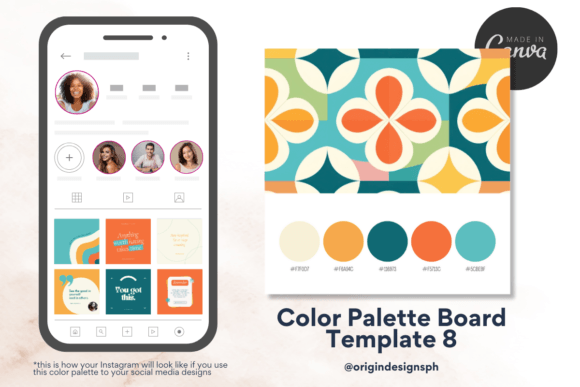
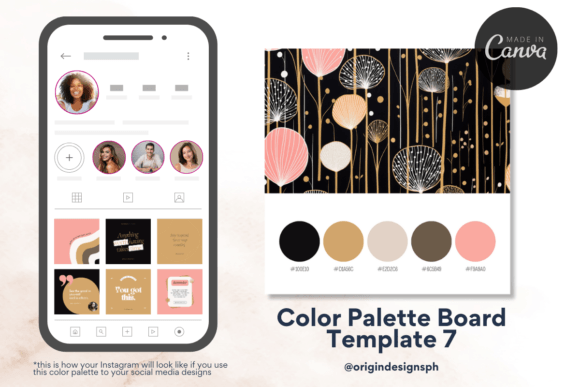
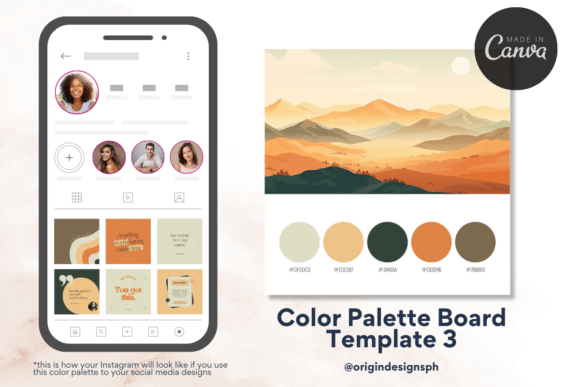
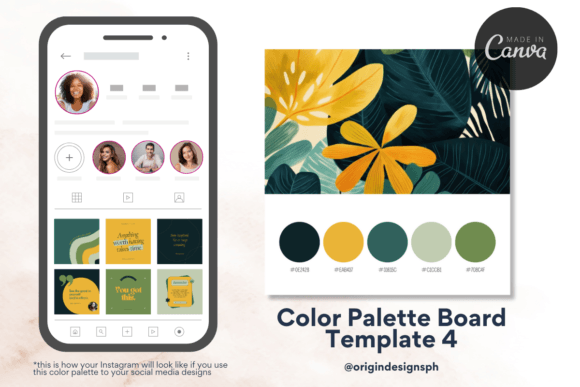
Let's break down what Canva Templates Color Palette4 actually is. At its core, it’s an editable Canva template that provides you with a curated selection of colors. However, its true value lies in its presentation and functionality. The template typically features a harmonious set of colors—often a mix of a primary hue, secondary shades, and neutral tones—displayed alongside mood-boarding images. This isn't arbitrary; the included photos are chosen to visually represent the feeling and context of the palette. You’re not just getting hex codes; you’re getting a visual story that guides you on how and where to use these colors effectively.
The personality of such a template is one of clarity and intention. It moves you away from guesswork. Instead of randomly picking colors that “look nice,” you’re making informed decisions based on a pre-vetted, aesthetically coherent system. This is the work of modern typography and design principles, condensed into an accessible format. The style is clean, practical, and project-oriented, appealing directly to the entrepreneur or creator who needs to look polished without hiring a full-time designer. Its overall appeal is its ability to demystify color theory and provide a direct path to a professional-looking brand kit.
Where This Color Strategy Truly Shines
The applications for a robust color palette are nearly endless, and Canva Templates Color Palette4 is built to support that versatility. Think about your core brand identity elements first. This palette is perfect for logo design, ensuring your primary mark uses the most impactful color. It then extends seamlessly to packaging design, where consistent color on boxes, labels, and tissue paper creates an unboxing experience that reinforces your brand. For editorial design, such as PDF guides, lookbooks, or magazine layouts, the palette ensures headings, pull quotes, and accent graphics feel unified.
In the digital realm, consistency is king for recognition. Use the exact same primary color for the “Subscribe” button on your website, the highlight color in your social media graphics, and the accent in your email newsletters. This repetition builds familiarity. For web design, the palette dictates your button colors, link hover states, and header backgrounds, creating a cohesive user experience. Even for personal projects like crafting blogs or Etsy shop listings, a defined color scheme makes your work look intentional and professional, boosting credibility with your audience. It’s a universal design asset for any project requiring visual harmony.
Making the Palette Work for You: Practical Application
So, you’ve downloaded Canva Templates Color Palette4. What’s next? Start by evaluating the project fit. Does the mood of the palette align with your brand’s voice? A palette with soft pastels and earthy tones suggests a calm, organic brand, while one with bold primaries and high contrast conveys energy and modernity. Don’t just look at the colors in isolation; study the included photographs. They show you the palette in real-world scenarios, helping you envision it on your own materials.
Next, think about font pairing. Your color palette and typography are a team. A strong, dark color from your palette can anchor a bold display font for headlines. A softer secondary color might work beautifully for subheadings in a clean sans serif font. The key is contrast and hierarchy. Use your most vibrant color sparingly for maximum impact on calls-to-action. Let your neutrals handle the bulk of body text to ensure readability. Test your color and font combinations on a sample social media post and a website mockup before finalizing. Does the text remain legible over a colored background? Does the overall feel match your brand perception goals?
Remember, this is a premium font and color asset in the sense that it’s a professionally designed starting point. You have the freedom to tweak the hex codes slightly if needed, but the core relationship between the colors is what you’re paying for—the research and aesthetic curation are done. For commercial use, always check the licensing of the template and any included elements, but Canva’s terms for templates are generally designed for creators and small businesses to use confidently in their projects, both digital and print.
Ultimately, adopting a structured approach with a tool like Canva Templates Color Palette4 is about working smarter. It removes a significant bottleneck from the creative process, allowing you to focus on your message and content. The result is a brand that feels more cohesive, professional, and recognizable across every touchpoint—from a quick Instagram story to a detailed product brochure. It’s the kind of behind-the-scenes efficiency that lets your creativity, not your color-picking anxiety, take center stage.