Watercolor Wildflower Frames for Wedding Invitations
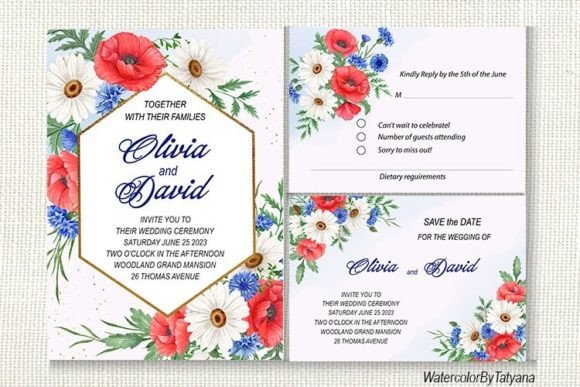
There's a specific kind of magic in a hand-painted watercolor frame. It carries the gentle imperfections of a human touch, the soft bleed of pigment into paper, and a natural vibrancy that digital tools often struggle to replicate. For designers and creators, having access to high-quality, ready-to-use watercolor elements can transform a project from standard to stunning. This is precisely the appeal of a versatile set of wedding invitation templates and frames, featuring a beautiful collection of wildflowers. Think soft poppies, cheerful daisies, and delicate cornflowers, all captured in a vibrant, hand-painted style. These aren't just static images; they are foundational design assets that provide an instant infusion of organic beauty and artistic flair.
The true value of this particular collection lies in its thoughtful composition and professional-grade specifications. It includes six distinct frames, each with a unique floral arrangement, provided in two essential sizes. Three frames measure 3000x4200 pixels (10x14 inches), perfect for standard portrait invitations or tall posters. The other three are 3000x2100 pixels (10x7 inches), ideal for landscape-oriented cards, banners, or social media graphics. With a resolution of 300 DPI, every petal and leaf is crisp and clear, ensuring professional results for both digital and high-quality print projects. The frames are delivered in both PNG and JPEG formats, giving you maximum flexibility. The PNG files, with their transparent backgrounds, are a particular asset, allowing you to layer these frames over any color, texture, or photograph seamlessly.
Where These Floral Frames Truly Shine
While their name suggests wedding invitations, the applications for these watercolor wildflower frames extend far beyond the nuptial realm. Their inherent elegance and cheerful personality make them a powerful tool for a wide array of creative endeavors. For small business owners, they can frame a product announcement, add a sophisticated touch to a thank-you card for customers, or create a beautiful cover for a seasonal lookbook. Bloggers and content creators will find them invaluable for crafting eye-catching Pinterest pins, Instagram story backgrounds, or printable wall art for their audience.
Imagine using a poppy-dotted frame for a summer birthday party invitation, or a cornflower-adorned border for the cover of a recipe booklet. The versatility is remarkable. Here are just a few practical applications:
- Event Invitations: Perfect for weddings, bridal showers, baby showers, milestone birthdays, and garden parties.
- Marketing Materials: Elevate flyers, brochures, and posters for boutiques, florists, cafes, and wellness brands.
- Digital Content: Create beautiful headers for newsletters, engaging social media graphics, and standout presentation slides.
- Printable Goods: Design and sell printable art, planner stickers, journaling cards, or scrapbook elements on platforms like Etsy.
- Brand Collateral: Add a touch of handmade charm to business cards, packaging tags, or thank-you notes, reinforcing a brand identity centered on nature, artistry, or care.
The key is to see them not just as wedding templates, but as a complete design system for adding a professional, handcrafted feel to any project that needs a touch of organic elegance.
Integrating Frames into Your Design Workflow
Simply dropping a beautiful frame onto a blank page isn't enough to create a truly effective design. The real artistry comes from how you integrate these elements into your overall visual hierarchy. The floral frames are a strong visual statement, so the content they surround needs to be handled with care. The goal is a harmonious balance where the frame enhances the message, rather than overwhelming it.
Start by considering your typography. Because the frames are ornate and expressive, the text within them should provide a clear contrast. A clean, simple sans serif font is often an excellent choice for body text, offering modern readability that won't compete with the floral details. For headlines or key details like the couple's names, you might opt for a complementary script font or a classic serif font. The critical principle here is contrast in style, not just size. A good font pairing creates a clear visual path for the reader's eye, guiding them from the most important information to the supporting details.
Color is another crucial consideration. The provided watercolor elements are vibrant, so pull a secondary color directly from the flowers themselves for your text or other graphic elements. This creates a cohesive and professional-looking brand identity, even for a single project. If you're using the PNG files, experiment with placing them over subtle background textures like linen, watercolor paper, or a soft gradient to add depth and dimension. Remember, these are high-resolution design assets meant to be customized. Don't be afraid to resize, crop, or combine different frames from the set to create a layout that perfectly suits your specific needs. By thinking of them as flexible tools rather than rigid templates, you unlock their full potential to create memorable and impactful designs.
Choosing and Using Your Design Assets Wisely
When you're investing in creative font sets or graphic bundles like this one, a little due diligence goes a long way. First, always review the commercial licensing. This set is designed for a wide range of uses, but it's essential to confirm the license covers your intended application, whether it's for personal projects, client work, or items for sale. Understanding the terms upfront prevents headaches later.
Next, think about the project's context. Is the playful, rustic charm of daisies the right fit for a corporate finance report? Probably not. But is it perfect for a local farmer's market poster or a bakery's new menu? Absolutely. Evaluating the "personality" of the typeface or asset against your project's goals is a fundamental step in effective editorial design and branding. These wildflower frames evoke feelings of joy, nature, and heartfelt celebration. They are best suited for projects that want to communicate those same values.
Finally, always test your designs in their final environment. If you're creating a digital invitation, view it on both a desktop and a mobile phone to ensure the text remains legible and the layout holds up. If you're preparing a file for print, do a small test print to check for color accuracy and sharpness. The 300 DPI resolution ensures these frames will look spectacular in print, but a quick test is always a smart move. By approaching your design assets with a strategic mindset, you move beyond simple decoration and start making intentional choices that strengthen your message and connect with your audience on a deeper level. This thoughtful application is what separates good design from great design.