Vector Wallpaper Design Templates: A Creative Toolkit
Every designer hits a creative wall eventually. You’re staring at a blank screen, the project brief is vague, and the deadline is looming. This is where having a solid library of design assets becomes less of a luxury and more of a lifeline. Today, we are diving deep into a resource that solves this exact problem: Vector Wallpaper Design Templates. This isn't just a collection of pretty pictures; it is a comprehensive toolkit packaged specifically for professionals who need flexibility and high-quality output.
The package we are dissecting includes a zip file containing 4 distinct EPS files. For the uninitiated, EPS stands for Encapsulated PostScript. In the design world, this is the gold standard for editable vector graphics. Unlike raster images (like JPEGs or PNGs) that turn into a pixelated mess when you zoom in, vector files use mathematical equations to draw lines and curves. This means you can scale these wallpaper designs from the size of a postage stamp to the side of a building without losing an ounce of clarity.
Deconstructing the 4 EPS Files
The core value of this package lies in the versatility of the four included files. When you open the zip file, you aren't just getting static backgrounds; you are getting raw material for modern typography and layout projects.
- Scalability and Editability: Because these are EPS files, you have full control. You can change the color palette to match a specific brand identity, remove individual elements to create negative space, or combine assets from different files within the set to create something entirely new.
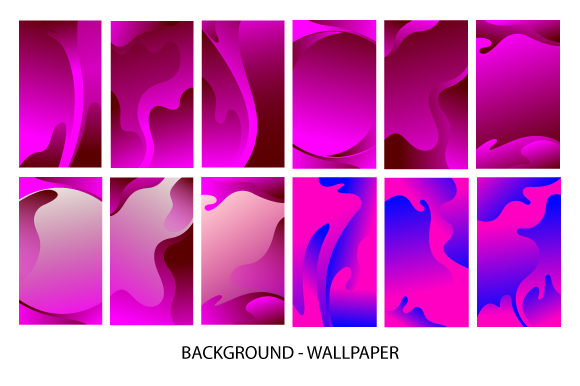
- Visual Personality: While the specific aesthetic can vary from geometric precision to organic flows, "Vector Wallpaper" templates generally offer a textured, layered depth. They provide a visual resting place for the eye, making them perfect for backgrounds that need to support, rather than fight, foreground content.
- Professional Polish: Using high-quality vectors immediately elevates a project. It signals to the viewer that the creator cares about production value. Whether the patterns are abstract, floral, or grunge, the vector format ensures a crisp, clean finish that screams professionalism.
Where These Templates Shine: Real-World Applications
As a creative professional, I look for assets that offer a high return on investment. You want files that can be repurposed across multiple mediums. Here is where Vector Wallpaper Design Templates truly prove their worth.
Brand Identity and Logo Design
A strong brand needs a cohesive environment. While these are wallpaper templates, think of them as atmospheric elements. You can extract a specific geometric shape or a subtle texture pattern from the EPS file to use as a secondary graphic element in your logo design or business stationery. It creates a visual language that feels consistent. If you are designing a brand deck, using a subtle vector pattern as a slide background ensures the presentation looks high-end and intentional, rather than relying on generic stock photos.
Digital Publishing and Web Design
In the realm of web design, load times and resolution are king. Vector files are generally lighter than high-resolution raster images and they look sharp on Retina displays. You can use these templates to create hero sections for websites, blog post headers, or social media banners. For social media graphics, where you need to stop the scroll, a vibrant, textured vector background can make your typography pop. Whether you are overlaying a display font for a sale announcement or a sans serif font for a clean, minimalist quote, these backgrounds provide the necessary contrast.
Print and Packaging Design
Don't limit your thinking to the screen. In packaging design, texture is everything. These vector templates can be unboxed and edited to create wrapping paper, box liners, or label backgrounds. Because they are vectors, you can print them on anything from a small candle label to a large format poster without worrying about DPI (dots per inch). They are also fantastic for editorial design. If you are laying out a magazine or a zine, a vector pattern can serve as a dynamic sidebar background or a chapter divider, adding visual interest to the page layout.
Integrating Typography with Vector Backgrounds
One of the most common mistakes I see with junior designers is choosing a background that fights the text. When using Vector Wallpaper Design Templates, you have to think about readability. The beauty of a vector file is that you can open it in Adobe Illustrator and adjust the opacity or the color intensity to ensure your foreground text is legible.
Consider your font pairing. If the wallpaper design is busy and intricate, you need a strong, legible typeface to sit on top of it. A heavy serif font or a bold geometric sans serif font often works best here because the thick strokes of the letters can "punch through" the background noise. Conversely, if you are using a delicate script font or a handwritten font, you might want to use the vector elements more sparingly—perhaps as a border or a corner accent—so the thin strokes of the letters don't get lost.
This is where the "editability" of the 4 EPS files becomes your best friend. You can create a "knockout" effect where the text interacts directly with the vector shapes, or simply desaturate the background to let a colorful creative font take center stage.
Practical Guide: Choosing and Using Your Assets
Before you download and unzip, here is some practical advice on how to evaluate and use this specific type of asset to ensure it fits your workflow.
- Software Compatibility: EPS files are the industry standard. They will open seamlessly in Adobe Illustrator, CorelDRAW, and Affinity Designer. They can also often be imported into web design platforms or Photoshop, though you lose some of the scalability benefits in Photoshop since it will rasterize the file upon import. Ensure you have the right software to manipulate these design assets.
- Evaluating Project Fit: Look at the "personality" of the templates. Do the lines feel corporate and structured? They are perfect for B2B marketing decks. Do they feel organic and flowing? They might be better suited for a wellness blog or a yoga studio's brand identity.
- Color Theory: When you open the files, look at the default color palette. If it doesn't match your current project, don't dismiss it. Changing the color of a vector is a one-click operation. Focus on the shapes and the movement of the design, knowing that the hue is fully customizable.
- Commercial Licensing: Since this article targets entrepreneurs and business owners, you must always check the licensing. Most premium font and asset marketplaces provide a license that allows for commercial use (logos, merchandise, client work). However, ensure you aren't just buying a "personal use" license if you intend to use these for a client's packaging design or a product you intend to sell.
The Strategic Advantage of Vectors
In a digital landscape that is increasingly crowded, quality matters. Using Vector Wallpaper Design Templates is a strategic move. It saves you the time of building complex patterns from scratch, while still giving you the flexibility to customize the output so it doesn't look "generic."
Whether you are a blogger looking to spice up your site, a marketer creating a pitch deck, or a crafter designing a new line of digital papers, having these 4 EPS files in your toolkit gives you a creative edge. It allows you to focus on the message and the strategy, knowing that the visual foundation is solid, scalable, and professionally designed. Download the zip, explore the layers, and start building something that looks polished and intentional.