240 Food Blogger Social Media Templates: A Content Strategy
For food bloggers, the pressure to maintain a visually stunning and consistent online presence is relentless. Between recipe development, photography, and writing, the time left for designing daily social media graphics often dwindles. This is where the value of a comprehensive resource like 240 Food Blogger Social Media Templates becomes undeniable. These are not just random graphics; they are a curated system designed to streamline your workflow and elevate your brand's visual identity across platforms like Instagram, Pinterest, and Facebook.
Understanding the Visual Language and Versatility
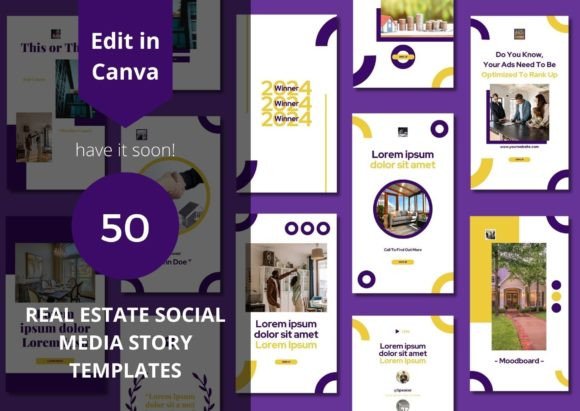
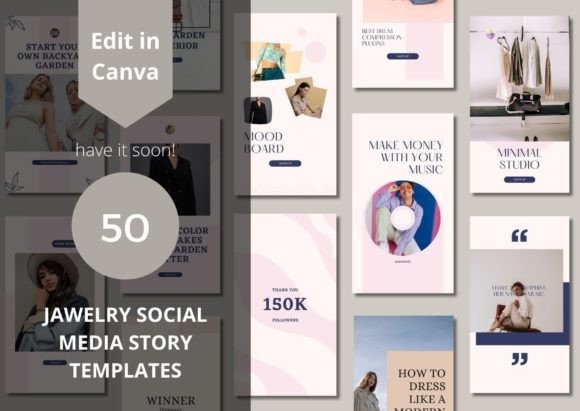
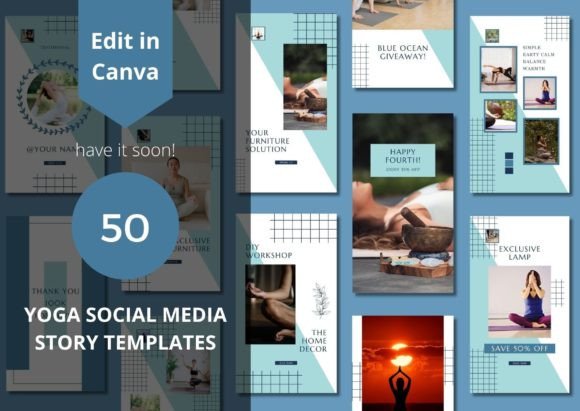
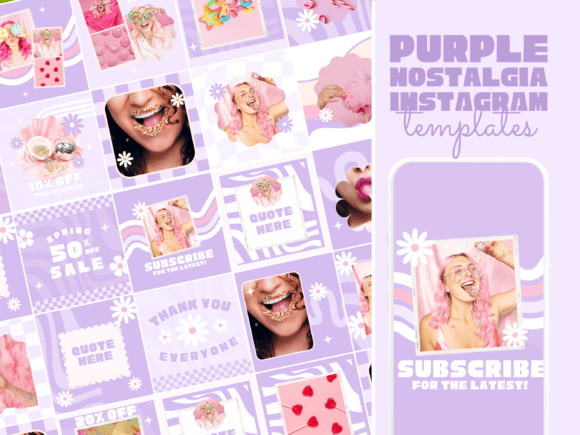
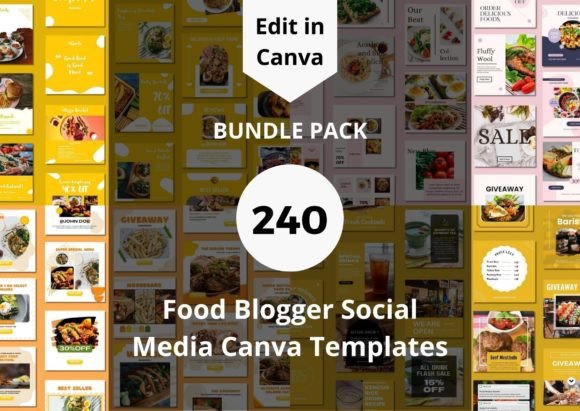
The strength of the 240 Food Blogger Instagram or Social Media Post Templates lies in their modern, clean, and adaptable aesthetic. The collection is built around a contemporary design sensibility that prioritizes clarity and appetite appeal. You’ll find a mix of layouts: some feature bold, full-bleed food photography with elegant typography overlays, while others use structured grids to showcase multiple images, ingredient lists, or step-by-step guides. The visual personality is professional yet approachable—perfect for a home cook sharing a family recipe or a culinary entrepreneur launching a new product line.
These templates function as more than just social media graphics. Their versatility allows them to serve as foundational design assets for broader brand building. A template designed for an Instagram story can easily be adapted into a website header or a newsletter banner. The consistent use of color palettes, font pairing styles, and compositional balance across the 240 options helps forge a strong brand identity. This consistency is what transforms a casual viewer into a loyal follower, as they begin to recognize your unique style in a crowded feed.
Practical Applications Across the Digital and Print Landscape
While the name emphasizes social media, the utility of these templates extends far beyond a single Instagram post. Consider their application in editorial design. A food blogger compiling a digital cookbook or a printable meal planner can extract design elements from these templates to maintain visual harmony. The same principles apply to packaging design; if you sell spice blends or baked goods, the typography and layout frameworks within the templates can inspire label designs that feel cohesive with your online presence.
For the entrepreneur, these templates are a direct line to professional product advertising. Launching a new cooking class? Use a template to create a series of announcement posts. Collaborating with a brand? The templates provide a polished framework for sponsored content that doesn’t feel out of place on your feed. Even in web design, the templates offer inspiration for blog post featured images, sidebar graphics, and promotional pop-ups, ensuring your website and social channels speak the same visual language.
How Visual Assets Influence Perception and Engagement
The choice of visual presentation directly impacts how your audience perceives your content. A well-designed template does more than look good; it establishes a hierarchy of information that guides the viewer’s eye. This improves readability and ensures your key message—whether it’s a recipe title, a call-to-action, or a discount code—is communicated instantly. In the fast-paced environment of social media, this clarity is what stops the scroll.
Using a cohesive set like the 240 Food Blogger Social Media Templates fosters a sense of professionalism and reliability. It signals to your audience that you are serious about your craft, which builds trust. This trust is a critical component of audience engagement. Followers are more likely to save, share, and comment on content that is both valuable and aesthetically pleasing. The templates, by providing a consistent frame for your photography and text, help build this recognition over time. Your profile becomes a curated gallery rather than a random collection of posts.
Implementing the Templates: A Guide for Creators
Getting started with a large template library can feel overwhelming. The key is to approach it strategically. First, audit your content pillars. Are you focused on quick weeknight meals, elaborate baking projects, or restaurant reviews? Identify the template categories that best support your core content. The 240 Food Blogger Instagram or Social Media Post Templates are typically organized by purpose—quotes, promotions, recipes, stories, etc.—so you can quickly find what you need.
Next, focus on customization. All templates are fully editable in Canva, a free or pro design tool. This is where you infuse your personal style. Swap out the placeholder fonts for your chosen typeface. A modern typography stack might pair a clean sans serif font for body text with a elegant script font for headlines. Adjust the color swatches to match your brand’s palette. Upload your own photography. This process of personalization is what turns a generic template into a unique piece of your brand’s story.
Finally, think in systems, not single posts. Use the templates to plan a weekly content calendar. For example, use a "Tip Tuesday" template for a cooking hack, a "Recipe Reveal" template for your new dish, and a "Behind the Scenes" story template for a more personal connection. This systematic approach saves immense time and ensures a balanced mix of content types, which algorithms and audiences both favor.
In essence, a resource like this is an investment in your brand’s visual infrastructure. It provides the professional framework that allows your unique culinary voice and photography to shine, helping you grow your audience and engage your community more effectively.